Build your career in graphic design & motion graphics design at Arena Animation Salt Lake
Build Your Career in Graphic Design & Motion Graphics at Arena Animation Salt Lake, Kolkata In today’s digital world, creativity is one of the most valuable skills you can develop. From eye-catching advertisements and brand identities to dynamic animations and engaging social media videos, graphic design and motion graphics play an essential role in modern communication. If you have a passion for visual creativity, Arena Animation Salt Lake, Kolkata, can help you explore the exciting possibilities of the creative design industry. Why Choose Graphic Design and Motion Graphics? Graphic design is about communicating ideas through colours, typography, layouts, illustrations, and visual elements. Motion graphics takes this creativity further by bringing designs to life through animation, movement, transitions, and visual storytelling. Learning both disciplines can help you develop a versatile creative skill set for today’s digital media landscape. What Can You Learn? Graphic Design: Explore typography, colour theory, layout design, branding, logo creation, advertising creatives, and digital graphics. Motion Graphics Design: Discover animated typography, motion posters, transitions, kinetic text, visual effects, and animated compositions. Digital Design Tools: Develop practical skills using industry-relevant design and animation software. Creative Storytelling: Learn to transform ideas into engaging visual content for brands, businesses, and digital platforms. AI-Assisted Creativity: Explore how AI tools can support ideation, visual exploration, and creative production workflows. Learn, Create, and Build Your Portfolio At Arena Animation Salt Lake, Kolkata, aspiring designers can work towards developing their creative abilities and understanding of professional design workflows. Practical assignments and creative projects can help students experiment with different styles, improve their visual communication, and build a portfolio that showcases their skills. Whether you are a beginner exploring graphic design or a creative enthusiast interested in animation, learning the fundamentals and practising consistently can help you progress towards your career goals. Explore Exciting Career Opportunities Graphic design and motion graphics skills can lead to opportunities across advertising, digital marketing, entertainment, branding, and content creation. Potential career paths include: Graphic Designer Visual Communication Designer Branding and Advertising Designer Social Media Creative Designer Motion Graphics Designer 2D Motion Designer Video Graphics Artist Digital Content Creator Your career opportunities will depend on your practical skills, portfolio, software proficiency, and professional experience. Start Your Creative Journey Today! The creative industry continues to evolve, creating new opportunities for people who can combine imagination with technical expertise. By learning graphic design and motion graphics, you can explore different creative fields, develop your personal style, and turn your passion into professional skills. Take the next step with Arena Animation Salt Lake, Kolkata! Discover your creative potential, experiment with innovative design techniques, and begin building a portfolio that reflects your vision. Arena Animation Salt Lake, Kolkata — Design Your Ideas. Animate Your Imagination. Build Your Future.
ARESA: The Creative Identity of Arena Animation Salt Lake
https://arenasaltlk.com/wp-content/uploads/2026/08/WhatsApp-Video-2026-08-27-at-2.30.25-PM.mp4 Origin & Vision: Born from the shared creative drive of students at Arena Animation Salt Lake, ARESA stands as the center’s official dynamic mascot and animated mentor. Role in Learning: ARESA bridges concept design with active animation, serving as an interactive guide to challenge students across key curriculum milestones. Technical Benchmark: Represents the full production workflow—guiding students from 2D visual asset development and character sheets to full 3D modeling, rigging, keyframing, and performance render. A Message of Support & Encouragement to the Arena Animation Salt Lake: Bringing a character from a frozen concept to a fluid, expressive performance is where your craft truly shines. You’ve already proven your talent with character design—now it’s time to breathe life into those visual ideas. Master the Fundamentals: Keep your core timing and spacing front of mind. Exaggerate subtle facial cues, use squash and stretch effectively, and let secondary action sell the weight and realism of every move. Embrace the Technical Process: Clean rigging, smooth weight painting, and precise graph editor tweaks take time. Don’t be discouraged by missteps along the way—iterative refinement is how professional-grade shots are built. Focus on Emotion and Motion: Give your character intent. Whether it’s a quick glance, a heavy step, or a burst of energy, ensure every frame contributes to their personality and narrative. You have the technical skills, the tools, and the artistic potential to make these assets stand out. Push your keyframes, trust the production pipeline, and bring your vision to life on screen! 🎬
Build your career in T shirt design & product design at Arena Animation Salt Lake
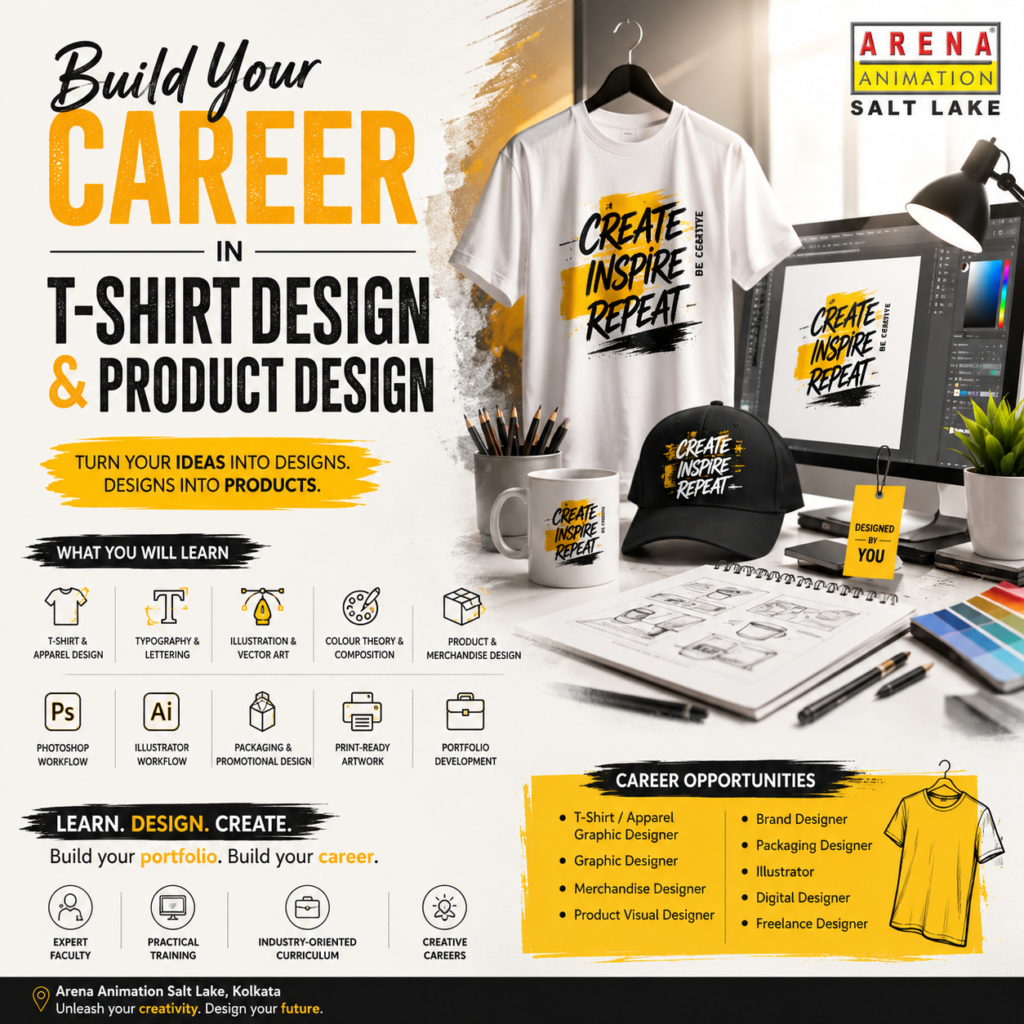
Turn your creativity into products people can see, wear, and connect with. At Arena Animation Salt Lake, learn the fundamentals of graphic and visual design and explore how creative concepts can be transformed into engaging T-shirt designs, merchandise, packaging, and product visuals. Develop skills in design thinking, typography, colour theory, illustration, composition, branding, and digital image editing while working with industry-standard design tools. Arena Animation Salt Lake‘s graphic design training includes areas such as typography, layout, branding, image editing and packaging design. What You Can Learn Turn Ideas Into Marketable Designs From a simple sketch to a finished T-shirt graphic, learn how to develop a complete design concept. Explore graphic compositions, illustrations, typography and branding to create designs suitable for apparel and other consumer products. Arena Animation Salt Lake current design programs also emphasize practical projects, portfolio creation, industry-oriented workflows and exposure to modern design tools. Career Opportunities With strong graphic and product-design skills, you can explore opportunities such as: Why Arena Animation Salt Lake? Arena Animation Salt Lake focuses on practical, hands-on learning and offers career-oriented programs across graphic design, animation, VFX, gaming and UI/UX. Learn. Design. Create. Build your portfolio. Build your career. Start your journey toward a creative career in T-Shirt Design & Product Design at Arena Animation Salt Lake, Kolkata.
ARESA: From Pencil Sketch to Animated Character — A Live Student Project
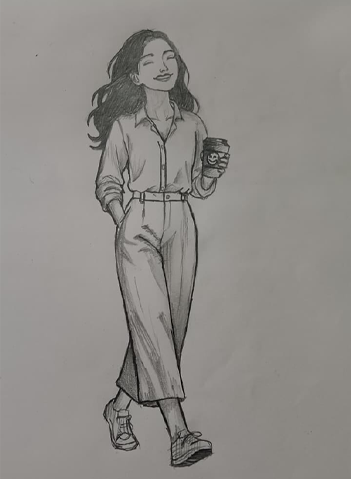
ARESA – INNOVATIVE CHARACTER Home https://arenasaltlk.com/wp-content/uploads/2026/08/size.mp4 ARESA: From Pencil Sketch to Animated Character — A Live Student Project at Arena Animation Salt Lake Transforming Imagination into a Complete Digital Production At Arena Animation Salt Lake, students are encouraged to move beyond theoretical learning and experience the complete creative production workflow through practical, industry-oriented projects. ARESA is one such innovative live project—an imaginary character conceptualized and developed by students, where creativity, design, animation, visual effects, and storytelling come together. The creative journey of ARESA begins with a pencil-drawn character sketch, allowing students at Arena Animation Salt Lake to explore anatomy, proportions, expressions, costume design, and visual personality through traditional drawing techniques. The hand-drawn concept is then digitally transformed using Adobe Illustrator, where students develop clean vector artwork, refine shapes, define visual elements, and establish the character’s digital identity. The artwork is further enhanced and polished in Adobe Photoshop, where students of Arena Animation Salt Lake can work on detailing, textures, tonal refinement, lighting, and finishing elements to achieve a professional visual presentation. ARESA is designed by Arena Animation Salt Lake students as a live and evolving character project. Students can creatively modify the character by experimenting with costume colors, hair, backgrounds, character positions, environments, and other visual attributes according to their individual concepts. This flexibility encourages creative decision-making while maintaining character consistency. The project then progresses into animation and post-production. Students of Arena Animation Salt Lake can bring ARESA to life through 2D animation, 3D production, visual effects, compositing, sound, and voice-based storytelling. For 3D development, students can utilize Autodesk Maya to model, develop, rig, animate, and build the character within a three-dimensional environment. Adobe After Effects can then be used for compositing, visual effects, motion graphics, and final scene enhancement. https://arenasaltlk.com/wp-content/uploads/2026/08/WhatsApp-Video-2026-08-18-at-10.20.57-AM-1.mp4 *Hi, I’m ARESA!* You’ve done an *amazing job so far—congratulations, everyone!* But now, it’s time to take your creativity one step further… *Bring your characters to LIFE!* Animate them. Make them move. Give them expressions. Tell their story. *Your imagination → Your character → Your animation!* Keep creating, keep experimenting… and I’ll see you soon with your *animated characters!* — *ARESA * The final short video is edited using Adobe Premiere Pro, where animation, visuals, sound, voice, and other production elements are assembled into a cohesive audiovisual narrative. From pencil drawing and digital illustration to 3D character development, animation, compositing, sound, and final editing, ARESA demonstrates how a creative idea can evolve through a professional production pipeline. Through projects like ARESA, Arena Animation Salt Lake provides students with an opportunity to experiment, develop technical expertise, build creative confidence, and create portfolio-worthy work that reflects their individual artistic vision.https://arenasaltlk.com/wp-content/uploads/2026/08/WhatsApp-Video-2026-08-18-at-11.21.05-AM.mp4 WISHING YOU ALL THE VERY BEST FOR YOUR UPCOMING JOURNEY
Build Your Career in Advanced Animation & Visual Effects at Arena Animation Salt Lake
Do you dream of creating stunning animated characters, cinematic visual effects, realistic 3D worlds, or breathtaking scenes for films, OTT platforms, advertisements, games, and digital media? Turn your creativity into professional skills with the Advanced Program in Animation & Visual Effects at Arena Animation Salt Lake. The program is designed to help aspiring artists understand the complete animation and VFX production workflow—from creative design and visual storytelling to 3D asset creation, character animation, visual effects, and final compositing. Students gain practical exposure to industry-relevant concepts and tools while developing creative projects and a professional portfolio. What You Can Learn The program introduces learners to a wide range of creative and technical areas, including: The curriculum is structured around creative design, advanced 3D production, and advanced FX and compositing, helping students understand how different stages of a professional production pipeline work together. Learn Industry-Relevant Tools Students can gain exposure to professional creative software and workflows used across animation, VFX, post-production, and digital content creation. Depending on the course structure and available modules, training may include tools such as: Adobe Photoshop | Adobe Illustrator | Adobe Premiere Pro | Adobe After Effects | Adobe Audition | Autodesk Maya | Arnold | XGen | Houdini | Silhouette | Substance 3D Painter | Nuke These tools support different stages of the creative pipeline, including design, modelling, animation, simulation, editing, rendering, and compositing. Career Opportunities After developing strong technical skills, creativity, and a professional portfolio, learners can explore career paths such as: Career outcomes depend on individual skills, portfolio quality, project experience, and industry opportunities. Why Choose Arena Animation Salt Lake? Arena Animation Salt Lake provides a practical learning environment for students interested in Animation, VFX, multimedia, web design, and UI/UX. The centre highlights hands-on learning, experienced faculty, and training designed around creative and industry-relevant skills. At Arena Animation Salt Lake, you can: Turn Your Imagination into a Creative Career Animation and VFX are more than software skills—they combine art, storytelling, technology, imagination, and problem-solving. Whether you want to create animated characters, design fantasy worlds, produce cinematic effects, or work in digital entertainment, the right training and consistent practice can help you build a strong creative foundation. Build your skills. Create impressive projects. Develop your portfolio. Begin your journey in Animation & Visual Effects with Arena Animation Salt Lake. 📍 Arena Animation Salt Lake, Sector V, Kolkata📞 Call: +91 99037 47650🌐 Visit Arena Animation Salt Lake Your creativity can become your career—start your Animation & VFX journey today!
Build Your Career with the Advanced Animation Program with Unreal Engine at Arena Animation Salt Lake
Turn Your Creativity into a Future-Ready Career at Arena Animation Salt Lake The world of animation is evolving faster than ever. From blockbuster movies and OTT content to AAA games, virtual production, and immersive experiences, studios are increasingly adopting Unreal Engine for real-time animation and cinematic production. If you dream of working in the animation, VFX, or gaming industry, the advanced Animation Program with Unreal Engine at Arena Animation Salt Lake is your gateway to a successful creative career. Why Unreal Engine at Arena Animation Salt Lake? Unreal Engine has transformed the way artists create digital content. Its real-time rendering capabilities allow creators to produce high-quality visuals, cinematic animations, virtual environments, and interactive experiences faster than traditional workflows. Today, Unreal Engine is widely used across: The growing adoption of Unreal Engine has created strong demand for professionals skilled in real-time animation and virtual production. What You’ll Learn at Arena Animation Salt Lake The Advanced Animation Program at Arena Animation Salt Lake is designed to help students master the complete 3D production pipeline. Throughout the course, you’ll gain practical experience in: Students at Arena Animation Salt Lake work on industry-style projects that simulate real production environments, helping them develop confidence and practical expertise. Hands-on Learning That Matters Learning animation is more than understanding software—it’s about creating. At Arena Animation Salt Lake, students receive practical training through: By the end of the program, you’ll have a professional portfolio that showcases your technical skills and creativity to employers. Career Opportunities After the Course at Arena Animation Salt Lake Graduates can explore exciting roles such as: These opportunities span animation studios, gaming companies, advertising agencies, VFX studios, and digital production houses. Why Choose Arena Animation Salt Lake? Arena Animation Salt Lake has built a reputation for providing career-focused creative education. Students benefit from: The focus is not just on learning software but on developing the creative and technical skills required by today’s entertainment industry. Who Can Join Arena Animation Salt Lake? This program is ideal for: No prior animation experience is required—just enthusiasm to learn and create. The Future Belongs to Real-Time Creators India’s Animation, VFX, Gaming, and Comics (AVGC) sector continues to expand rapidly, with increasing demand for professionals skilled in real-time production technologies like Unreal Engine. Government initiatives and industry investments are expected to further strengthen career opportunities in this field. Start Your Creative Journey Today from Arena Animation Salt Lake If you’re passionate about storytelling, animation, and cutting-edge technology, the Advanced Animation Program with Unreal Engine at Arena Animation Salt Lake can help you build the skills needed for a rewarding creative career. Take the first step toward becoming an industry-ready animation professional. Learn from experts, build an impressive portfolio, and prepare yourself for opportunities in animation, gaming, virtual production, and beyond. Your dream career starts here—at Arena Animation Salt Lake.
Animation Training Centre in Kolkata: Build Your Creative Career at Arena Animation Salt Lake
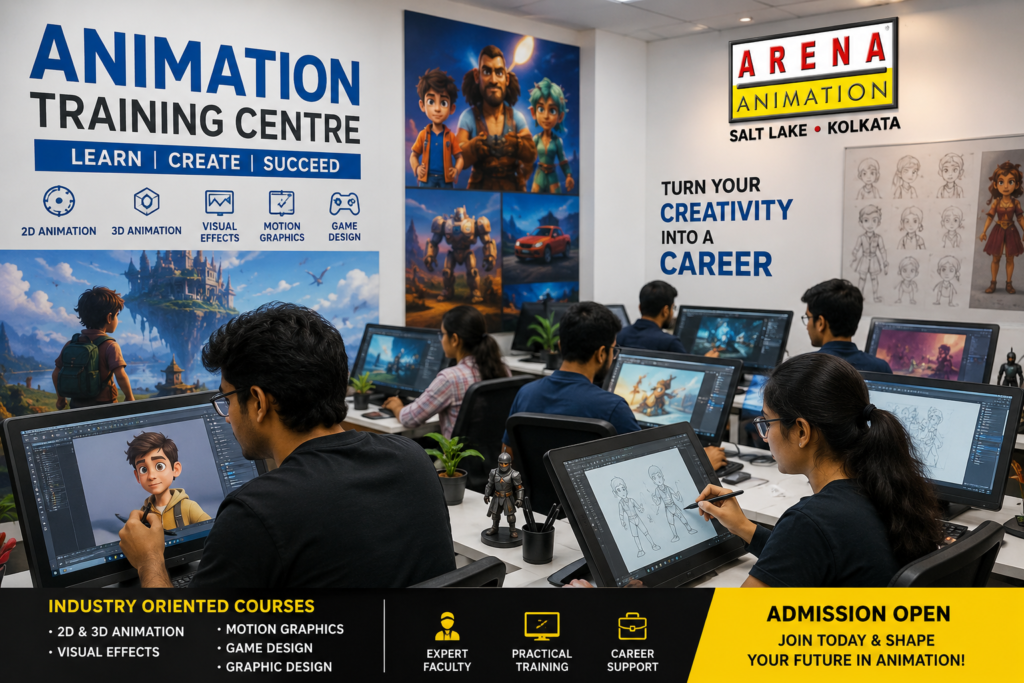
The animation and digital media industries are creating exciting career opportunities for students who are interested in art, storytelling, films, gaming and technology. Animation is now widely used in movies, advertisements, television, social media, video games, educational content, mobile applications and digital marketing. To build a successful career in this creative field, students need professional training, practical experience and a strong portfolio. Arena Animation Salt Lake is an animation training centre in Kolkata offering career-oriented education in animation, visual effects, graphic design, gaming, motion graphics and other digital media disciplines. Why Choose Animation as a Career? Animation is one of the most creative career options for students who enjoy designing characters, creating stories and working with digital technology. Today, animation professionals work in many industries, including: A professional animation course helps students develop both creative and technical skills required for these industries. Arena Animation Salt Lake: Professional Animation Training in Kolkata Arena Animation Salt Lake provides practical and industry-focused training for aspiring animators, designers and digital artists. The institute offers structured learning programmes that introduce students to design fundamentals, animation principles, professional software and production workflows. Students get opportunities to work on creative assignments and portfolio projects that help them understand how animation and design are used in professional environments. The courses are suitable for students after Class 10, Class 12, graduation and for working professionals who want to enter the creative industry. Animation Courses at Arena Animation Salt Lake Students can choose a course according to their interests, educational background and career goals. 2D Animation The 2D animation programme introduces students to drawing, character design, storyboarding, background creation and frame-by-frame animation. Students learn how to communicate ideas through expressive characters, movements and visual storytelling. 3D Animation The 3D animation course covers different stages of the 3D production process, including: Students learn how to create three-dimensional characters, objects, products and animated environments. Visual Effects Visual effects are used to create scenes that may be difficult or impossible to capture through traditional filmmaking. Students may learn important VFX techniques such as: These skills are used in films, television programmes, advertisements, music videos and online content. Motion Graphics Motion graphics combines graphic design, typography, animation and visual effects. Students learn to create: Motion graphics artists are required by advertising agencies, production houses, digital marketing companies and content-creation studios. Game Art and Design Students interested in video games can learn character development, environment design, asset creation, texturing and real-time production techniques. Game-art training helps learners understand how visual elements are designed and prepared for interactive experiences. Graphic Design and Digital Content Creation Graphic design training helps students understand typography, branding, colour theory, layout design, image editing and visual communication. Students can create posters, logos, social media graphics, packaging designs, advertisements and brand identities. Practical and Project-Based Learning Learning animation requires more than understanding software commands. Students must learn how to develop an idea, plan a project and present their work professionally. Arena Animation Salt Lake focuses on practical training through: Regular practice helps students improve their creativity, problem-solving skills and technical knowledge. Learn Industry-Relevant Software Depending on the selected course, students can receive exposure to software used for animation, design, video editing, visual effects and digital production. Software training may cover areas such as: Understanding professional tools and production workflows helps students prepare for real-world creative projects. Develop a Professional Portfolio A strong portfolio is one of the most important requirements for starting a career in animation and design. A portfolio demonstrates a student’s creativity, technical knowledge and ability to complete professional projects. During the course, students can develop work such as: Students can use their portfolios while applying for jobs, internships and freelance projects. Guidance from Experienced Faculty Professional guidance plays an important role in learning animation. Faculty members help students understand design concepts, software techniques and production processes through demonstrations and project reviews. Regular feedback allows students to identify mistakes, improve their work and develop confidence in presenting creative ideas. Career Opportunities After Animation Training After completing an animation or digital media course, students can explore career opportunities in animation studios, production houses, gaming companies, advertising agencies and digital organisations. Popular career profiles include: Career development depends on the student’s skills, portfolio, specialisation, communication ability and practical experience. Who Can Join an Animation Course? Animation training is suitable for students who: Students do not always need previous software knowledge to begin a foundation-level animation course. Creativity, curiosity and regular practice are important for learning. Why Choose an Animation Training Centre in Kolkata? Kolkata has a rich background in art, cinema, literature and visual storytelling. The city also has a growing community of advertising agencies, production companies, digital marketing firms and creative studios. Salt Lake is one of Kolkata’s major educational and technology centres. Studying at an animation training centre in Salt Lake gives students access to a professional learning environment in a well-connected part of the city. Why Choose Arena Animation Salt Lake? Students looking for professional animation training can consider Arena Animation Salt Lake because of its focus on: The institute helps students build creative confidence and understand the professional standards of the animation and digital media industries. Begin Your Creative Journey Animation is a combination of creativity, technology and storytelling. With professional training and continuous practice, students can transform their ideas into animated characters, visual effects, games and engaging digital experiences. Arena Animation Salt Lake provides animation and digital media training for students who want to explore creative career opportunities. Start your journey at an animation training centre in Kolkata and develop the skills required to enter the exciting world of animation, VFX, gaming and digital design. Frequently Asked Questions Which is a good animation training centre in Kolkata? Students should select a training centre that provides practical education, professional software training, portfolio development, experienced faculty and career guidance. Arena Animation Salt Lake offers courses in animation, VFX, gaming, graphic design and digital media. Can I join an animation course after Class 12? Yes. Students from arts, commerce
Best Animation Institute in Kolkata: Build Your Creative Career at Arena Animation Salt Lake
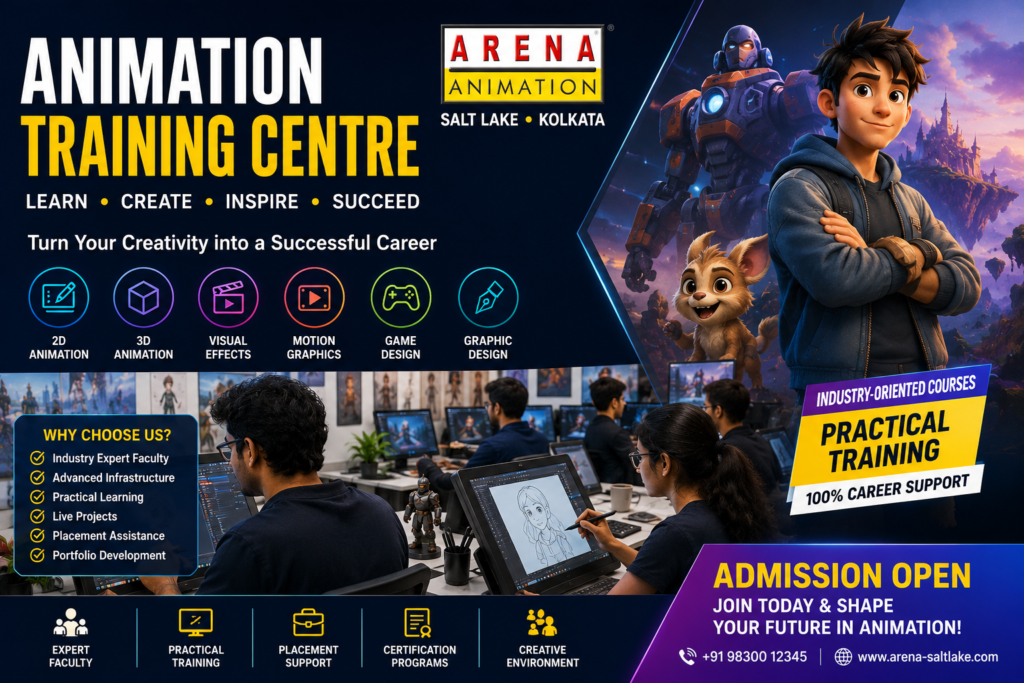
The animation, visual effects and gaming industries are growing rapidly, creating exciting career opportunities for creative students. From animated films and advertisements to video games, websites, social media content and OTT productions, skilled animation professionals are required in almost every digital industry. Choosing the right animation institute in Kolkata is therefore an important step for students who want to turn their creativity into a successful profession. Arena Animation Salt Lake offers industry-focused training, experienced faculty and practical learning opportunities to help students develop the skills required for the modern creative industry. Why Choose Animation as a Career at Arena Animation Salt Lake? Animation is no longer limited to cartoons and films. Today, animation is used in advertising, gaming, architecture, education, healthcare, social media, mobile applications, product presentations and virtual reality. Students with strong creative thinking, storytelling ability and an interest in technology can explore several career opportunities, including: A professional animation course helps students understand both the artistic and technical aspects of animation production. Arena Animation Salt Lake: A Leading Animation Institute in Kolkata Arena Animation Salt Lake provides professional training in animation, visual effects, gaming, graphic design, web design, UI/UX design and digital content creation. The institute focuses on practical learning so that students can understand how creative projects are developed in real production environments. Students work on assignments, design exercises, animation projects and portfolio pieces throughout their course. The training programmes are suitable for students after Class 10, Class 12, graduation or for working professionals who want to develop new creative skills. Animation Courses Offered Students can choose from different career-oriented programmes based on their interests and professional goals. 2D Animation The 2D animation course introduces students to drawing principles, character development, storyboarding, background design and frame-by-frame animation. Students learn how to create expressive characters, smooth movements and engaging visual stories. 3D Animation The 3D animation programme covers modelling, texturing, rigging, lighting, rendering and character animation. Students learn how to create three-dimensional characters, environments, products and cinematic sequences using professional software. Visual Effects Visual effects training helps students understand compositing, rotoscoping, chroma removal, match moving, matte painting and digital effects. These skills are widely used in films, advertisements, television programmes, music videos and online content. Motion Graphics Motion graphics combines graphic design, typography, animation and visual effects. Students learn to create animated logos, title sequences, promotional videos, social media advertisements, presentation graphics and explainer videos. Game Design and Game Art Gaming courses introduce students to character design, environment creation, game assets, texturing and real-time production. Students may also learn tools used for developing interactive experiences and game environments. Graphic Design and Web Design Students interested in digital communication can learn branding, typography, layout design, image editing, website design and responsive web development. These skills can prepare learners for careers in advertising agencies, digital marketing companies and design studios. Industry-Oriented Training A good animation institute should provide more than software training. Students must also understand design principles, storytelling, project planning and professional presentation. Arena Animation Salt Lake follows a practical learning approach that may include: This learning process helps students improve their creativity, technical knowledge, communication skills and confidence. Learn Professional Animation Software Students receive exposure to software and tools commonly used in the creative industry. Depending on the selected programme, learners may work with tools for: Learning professional software helps students understand industry workflows and prepare production-ready projects. Build a Strong Creative Portfolio A portfolio is one of the most important requirements for starting a career in animation and design. Employers often evaluate a candidate’s creativity, technical ability and presentation skills through their portfolio. During the course, students can create projects such as: A well-organised portfolio can help students showcase their abilities during interviews, internships and freelance opportunities. Experienced Faculty and Creative Guidance Learning animation requires regular practice and proper guidance. Experienced faculty members help students understand complex concepts through demonstrations, examples and project feedback. Students can receive guidance on design principles, software techniques, animation workflows and portfolio presentation. Regular feedback enables learners to identify their mistakes and improve the quality of their work. Career Opportunities After an Animation Course After completing an animation programme, students can explore opportunities in different creative sectors, such as: Career growth depends on the student’s skills, portfolio, specialisation, communication ability and practical experience. Who Can Join an Animation Course? Animation courses are suitable for students who: Previous knowledge of animation software is generally not necessary for beginner-level programmes. Why Study Animation in Kolkata? Kolkata has a strong tradition of art, cinema, literature and visual communication. The city also has a growing digital media, advertising, animation and technology ecosystem. Studying at an animation institute in Kolkata allows students to develop creative skills while exploring opportunities in local studios, production houses, agencies and digital companies. Salt Lake is also one of Kolkata’s major educational and technology hubs, making it a convenient location for students seeking professional training. Start Your Creative Journey A career in animation requires imagination, patience, technical knowledge and continuous practice. Selecting the right training institute can provide students with structured learning, professional guidance and opportunities to build a strong portfolio. Arena Animation Salt Lake helps aspiring artists learn animation, visual effects, gaming, graphic design and digital media through practical and career-oriented training. Begin your journey with a professional animation institute in Kolkata and transform your creative ideas into engaging digital experiences. Frequently Asked Questions Which is a good animation institute in Kolkata? Students should choose an institute that provides practical training, experienced faculty, updated software education, portfolio development and career guidance. Arena Animation Salt Lake offers training in several creative and digital media disciplines. Can I study animation after Class 12? Yes. Students from arts, science or commerce backgrounds can pursue animation courses after completing Class 12. Is drawing compulsory for animation? Basic drawing skills can be helpful, particularly for character design and 2D animation. However, students can improve their drawing and design abilities through regular practice and professional guidance. What is the duration of an animation course? The duration
2D Animation Course with AI at Arena Animation Salt Lake
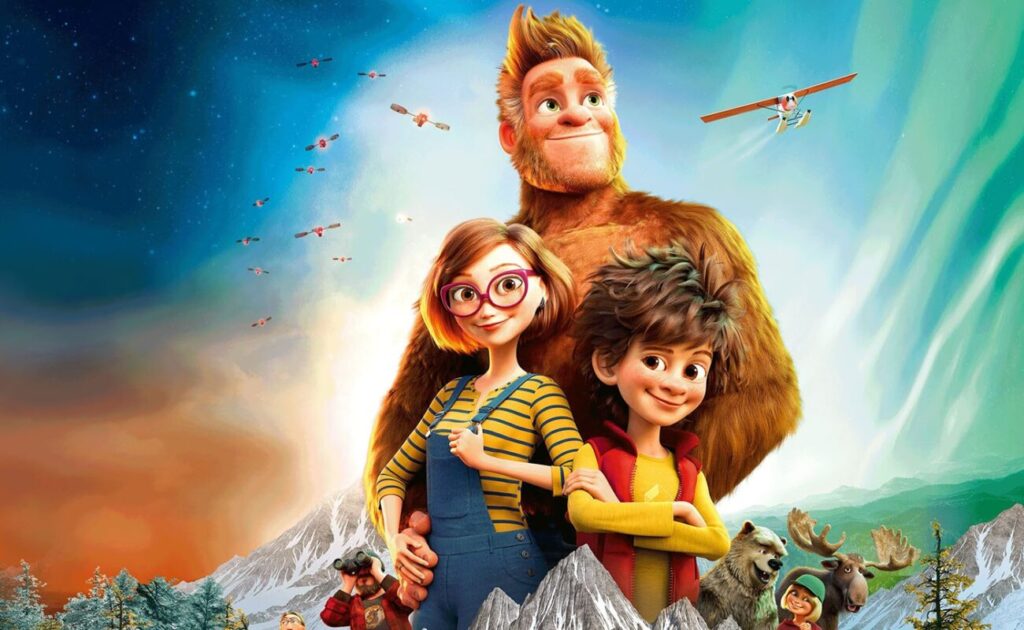
Animation has become an essential part of films, advertisements, mobile applications, games, educational content and social media. Among the different animation styles, 2D animation remains popular because of its artistic appeal, flexibility and ability to communicate stories clearly. Today, artificial intelligence is also changing the animation production process. AI-powered tools can help artists develop ideas, create visual references, experiment with backgrounds and complete repetitive tasks more efficiently. The 2D Animation Course with AI at Arena Animation Salt Lake helps students combine traditional animation principles with modern digital and AI-assisted workflows. What Is 2D Animation? 2D animation is the process of creating movement in a two-dimensional space. Characters, objects and backgrounds are designed using height and width, without the depth commonly found in 3D animation. The illusion of movement is created by displaying a series of drawings or digital images in sequence. 2D animation can be hand-drawn, digitally created or produced using a combination of traditional and modern techniques. It is widely used in: How Is AI Used in 2D Animation? Artificial intelligence can support animators at different stages of production. It can help generate visual concepts, create mood boards, suggest colour combinations, develop background references and speed up selected editing tasks. AI can also assist with: AI does not replace the creativity of an animator. Strong observation, drawing, storytelling, timing and performance skills are still essential. AI works best as a creative assistant that helps artists explore ideas and improve production efficiency. What Will You Learn in the 2D Animation Course? The 2D Animation Course with AI at Arena Animation Salt Lake is designed to introduce learners to the complete animation production process. Students develop artistic, technical and storytelling skills through practical assignments and projects. Drawing and Sketching Fundamentals Drawing is one of the most important foundations of 2D animation. Students learn basic sketching, shapes, forms, proportions, perspective and observation. These skills help learners create characters, objects and environments with greater confidence. Principles of Animation Students are introduced to the fundamental principles that make animated movements appear natural and engaging. Important principles may include: Understanding these principles helps animators create believable actions and expressive performances. Character Design Character design involves creating the appearance, personality and visual identity of an animated character. Students learn how to develop: AI tools may also be used to explore visual references and alternative character concepts. Storyboarding A storyboard is a sequence of drawings that visually represents the scenes of an animation project. Students learn how to plan: Storyboarding helps the production team understand how the final animation will appear before detailed animation begins. Background and Environment Design Backgrounds establish the location, atmosphere and visual mood of an animated scene. Students learn composition, perspective, lighting, colour and environmental design. AI-assisted tools may be used for reference generation and mood exploration, while final creative decisions remain under the artist’s control. Digital Illustration Students learn how to create clean digital artwork using professional design and illustration software. This may include: Frame-by-Frame Animation Frame-by-frame animation involves creating individual drawings for different stages of movement. Students learn how to create: This technique helps students understand movement, timing and character performance in detail. Cut-Out and Rig-Based Animation Cut-out animation uses separate character parts that can be controlled through a digital rig. Students may learn how to create character rigs, organise body parts, set control points and animate characters efficiently. This method is commonly used for web series, television content and digital advertisements. Lip-Sync and Facial Animation Facial expressions and mouth movements help characters communicate emotions and dialogue. Students learn how to match mouth shapes with recorded voices and create expressive facial performances. Audio and Video Editing Sound plays an important role in animation. Students may learn how to work with dialogue, music and sound effects. Basic editing skills help them combine animated scenes, audio and titles into a complete final project. Software and Tools Students may receive exposure to different design, animation and AI-powered tools depending on the course structure. These may include: These tools help students understand the complete workflow, from concept development to final animation output. Why Learn 2D Animation with AI? Learning 2D animation with AI can help students develop both traditional artistic skills and knowledge of modern production techniques. Some key advantages include: Students who understand both animation fundamentals and AI tools may be better prepared to adapt to changes in the creative industry. Career Opportunities After the Course After completing a 2D animation course, students can explore different career profiles based on their skills and portfolio. Career options may include: Opportunities may be available in animation studios, advertising agencies, production houses, gaming companies, e-learning organisations, television channels and digital media companies. Who Can Join the 2D Animation Course? The course can be suitable for: A learner does not always need advanced drawing skills before joining. Regular practice, observation and creative interest can help students improve throughout the course. Why Choose Arena Animation Salt Lake? Arena Animation Salt Lake provides a learning environment where students can develop creative and technical abilities through practical training. Students may benefit from: The training focuses on helping students understand how ideas move from sketches and storyboards to complete animated sequences. Build a Creative Career in 2D Animation 2D animation continues to be an important part of the media, entertainment, advertising and education industries. Its creative possibilities allow artists to develop unique visual styles and tell meaningful stories. The 2D Animation Course with AI at Arena Animation Salt Lake can help aspiring animators learn drawing, character design, storyboarding, digital animation and AI-assisted production techniques. With consistent practice and a strong portfolio, students can prepare themselves for exciting opportunities in the animation and digital content industry. Enquire Today Take the first step towards building your career in animation. Contact Arena Animation Salt Lake to learn more about the course curriculum, duration, eligibility, fees and admission process.
Motion Graphics Course with AI at Arena Animation Salt Lake
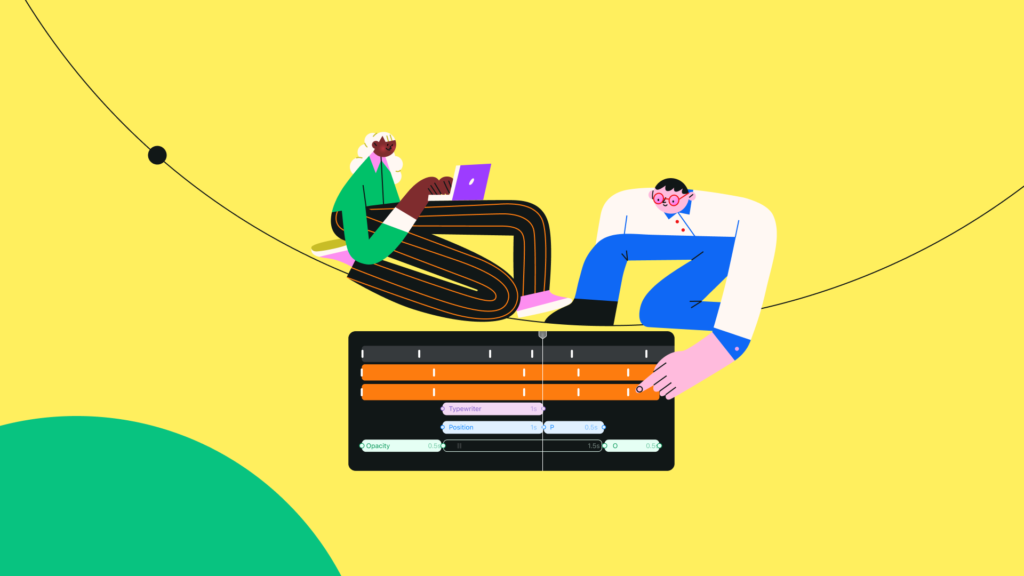
Motion graphics has become one of the most powerful forms of visual communication in today’s digital world. From animated advertisements and social media content to film titles, explainer videos and brand presentations, motion graphics helps transform ordinary information into engaging visual experiences. With artificial intelligence changing the way designers create and edit content, learning both motion graphics and AI-powered tools can provide students with valuable career opportunities. The Motion Graphics Course with AI at Arena Animation Salt Lake is designed to help aspiring designers develop creative, technical and industry-relevant skills. What Is Motion Graphics? Motion graphics is the art of bringing graphic design elements to life through animation. It combines typography, shapes, illustrations, photographs, videos, sound and visual effects to communicate ideas in a dynamic way. Unlike traditional character animation, motion graphics mainly focuses on animated design elements. It is commonly used in: How Is AI Transforming Motion Graphics? Artificial intelligence is making the motion graphics production process faster and more efficient. AI tools can help designers generate creative ideas, create images, remove backgrounds, enhance videos, produce voiceovers and automate repetitive editing tasks. However, AI does not replace creativity. A skilled motion graphics designer must understand design principles, animation, timing, storytelling and visual communication. AI acts as a creative assistant that helps designers explore more possibilities and improve their workflow. Students learning motion graphics with AI can understand how to combine traditional design skills with modern AI-powered production techniques. What Will You Learn in the Motion Graphics Course? The Motion Graphics Course with AI at Arena Animation Salt Lake introduces students to the complete process of creating animated visual content. The course may cover important areas such as: Graphic Design Fundamentals Students learn the foundations of visual design, including colour theory, typography, composition, balance, hierarchy and layout. These principles are essential for creating attractive motion graphics. Storyboarding and Visual Planning Before creating an animation, designers need to plan the sequence of scenes. Students learn how to develop concepts, prepare storyboards and organise visual ideas. Typography Animation Animated text is widely used in advertisements, title sequences and promotional videos. Students learn how to animate typography using movement, timing and visual effects. Logo and Brand Animation Students explore how to animate logos, icons and brand elements for social media, advertisements and corporate videos. 2D Motion Graphics The course introduces techniques for animating shapes, illustrations, photographs and design elements in a two-dimensional environment. Video Editing Students learn how to organise video clips, create transitions, add music, edit audio and prepare professional video content. Compositing and Visual Effects Compositing involves combining multiple visual elements into one final scene. Students learn techniques such as masking, chroma keying, tracking, layering and colour correction. AI-Assisted Content Creation Students discover how AI tools can support idea generation, image creation, video enhancement, background removal, voice generation and other creative tasks. Portfolio Development A strong portfolio is important for starting a career in motion graphics. Students can work on practical projects such as logo animations, promotional videos, social media advertisements, title sequences and explainer videos. Software and Tools Students may gain exposure to popular creative and AI-powered tools used in motion graphics production, including: Learning these tools helps students understand the complete workflow, from designing visual assets to producing the final animated video. Why Learn Motion Graphics with AI? Learning motion graphics with AI can provide several advantages: The combination of design knowledge, animation skills and AI awareness can help learners remain relevant in the evolving creative industry. Career Opportunities After completing a motion graphics course, students can explore career profiles such as: Motion graphics professionals may find opportunities in advertising agencies, production houses, animation studios, digital marketing companies, television channels, educational organisations and online content platforms. Who Can Join the Course? The Motion Graphics Course with AI can be suitable for: Previous professional experience may not be necessary for beginners who are willing to learn design, animation and visual storytelling. Why Choose Arena Animation Salt Lake? Arena Animation Salt Lake offers a creative learning environment where students can develop practical skills through software training, assignments and portfolio-based projects. Students can benefit from: The course focuses on helping learners understand both the creative and technical aspects of motion graphics production. Build Your Creative Career with Motion Graphics and AI Motion graphics is an exciting career option for people who enjoy design, animation, technology and storytelling. As brands continue to invest in video marketing and digital content, the demand for engaging animated visuals continues to grow. By joining the Motion Graphics Course with AI at Arena Animation Salt Lake, students can learn how to transform ideas into professional visual experiences using design software, animation techniques and AI-powered tools. Start developing your creativity, build an impressive portfolio and prepare yourself for opportunities in the modern media and entertainment industry. Enquire Today Take the first step towards a creative career in motion graphics. Contact Arena Animation Salt Lake to learn more about the course curriculum, duration, fees, eligibility and admission process.